Mon-Thurs 8:00 AM - 4:30 PM | Fri 8:00 AM - 2:30 PM
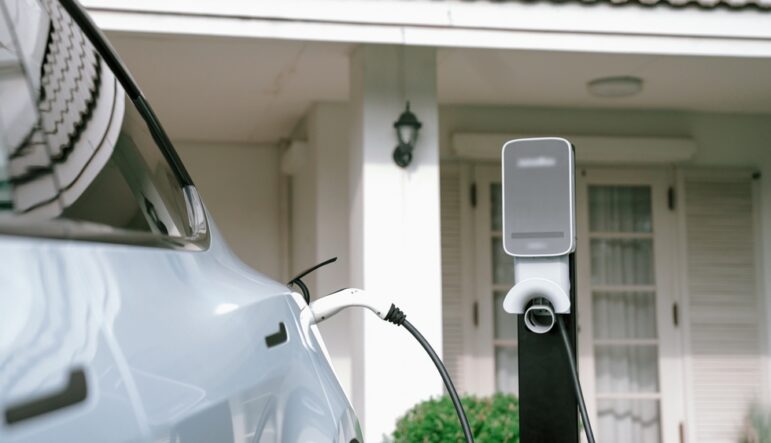
When you plug in an electric vehicle at home, you are pulling a large, continuous electrical load for hours at a time. This is not comparable to running a toaster, a microwave, or a vacuum cleaner; it is a sustained draw that actively tests the physical limits of your residential wiring. Because of this, home charging safety relies entirely on the infrastructure hidden behind the wall. At D C Electric of Raleigh Inc., we help local homeowners assess their current electrical capacity and perform the necessary upgrades so they can power up their vehicles safely without risking damage to their property.
Understanding how electricity flows into a vehicle helps clarify why proper installation matters. When an EV is charging, it draws power at maximum capacity for the entire duration of the cycle. In a standard house, very few appliances run at maximum draw for six to twelve hours straight. Air conditioners cycle on and off, refrigerators run in bursts, and even clothes dryers finish their work in an hour or two.
The continuous demand of a vehicle charger introduces a unique type of thermal stress to residential electrical lines. If you are planning to set up a high-powered home EV charger in Raleigh, D C Electric of Raleigh Inc. works to configure your home systems to manage this sustained flow safely.
Expanding your home’s infrastructure to handle this technology requires looking closely at the age of your property. Older homes in the region were built long before the advent of high-capacity residential batteries, meaning their main electrical panels are frequently rated for 100 amps or less. Adding a demanding continuous load to a system that is already maxed out by standard HVAC units and kitchen appliances creates a bottleneck that triggers frequent breaker trips and accelerates equipment wear.
Proper load balancing involves evaluating the physical path the wiring takes from your main breaker box to the garage or driveway. Forcing high amperage through undersized wires or low-grade conduits generates radiant heat inside enclosed wall cavities, creating hidden vulnerabilities that go unnoticed until a system failure occurs. By performing a precise structural load calculation before any hardware is connected, D C Electric of Raleigh Inc. identifies these hidden limitations and reinforces your system to handle the regular stress of daily charging cycles.
The primary safety hazards associated with home charging do not stem from the vehicle battery pack itself, but rather from overloading old, unverified, or poorly installed household circuits. Standard residential outlets (the typical 120-volt plugs found in your garage or on your outdoor walls) are built for low-draw, intermittent appliances. Forcing an outdated outlet to supply high-power current for half a day can cause major overheating before a circuit breaker ever registers a fault.
Here is what happens behind the scenes if your electrical infrastructure is not verified for continuous heavy loads:
To understand how to safely power your vehicle, it helps to look at how different setups affect your home infrastructure. D C Electric of Raleigh Inc. installs dedicated circuits to keep these systems completely stable and operating within safe margins.
| Charging Level | Voltage | Amperage | Household Impact | Equipment Wear & Tear | Safety Risk Level |
| Level 1 (Standard Outlet) | 120V | 12–16 Amps | High continuous stress on a shared household circuit; slow charging speeds. | High wear on standard wall receptacles due to prolonged plug times. | Moderate (Risk of outlet overheating over long periods) |
| Level 2 (Dedicated Station) | 240V | 30–50 Amps | Draws directly from an isolated breaker; requires a professional panel load assessment. | Minimal wear; hardware is specifically engineered for high-amperage continuous duty. | Low (When installed by a professional technician) |
If you want to keep your home and your vehicle completely safe from thermal damage, there are a few strict rules to follow. D C Electric of Raleigh Inc. recommends adhering to these operational practices from day one:
Because vehicle charging demands so much continuous power, setting up your system is a job that must be handled by a licensed professional. Cutting corners on the installation or attempting a complex DIY setup can result in expensive system failures down the road, including fried appliances and damaged breaker boxes.
If you need a certified electrician in Wendell to evaluate an older service panel or run a dedicated line before your new car arrives, D C Electric of Raleigh Inc. has the field experience to get the job done right. We evaluate your specific panel capacity, run dedicated lines that meet strict local building codes, and set up your system for long-term safety.
Let our experienced team handle the technical details to make sure that your system is perfectly calibrated, code-compliant, and fully capable of supporting your vehicle’s energy demands. Contact D C Electric of Raleigh Inc. today to book your professional installation and prepare your home for fast, secure Level 2 charging.